Recurring clogs are usually a system problem, not a one-time nuisance. Our drain cleaning work focuses on full-line performance so your sinks, tubs, showers, laundry drains, and main line all move water the way they should.
Most drain problems in Fullerton start with gradual buildup. Kitchen lines collect grease and food residue, bathroom lines collect soap film and hair, and older main lines can trap debris because of scaling or offsets in the pipe. Homeowners usually notice the issue only when water starts draining slowly or backing up in multiple fixtures at once. At that stage, a simple surface-level fix is not enough. The blockage often extends much farther than the fixture where symptoms first appear.
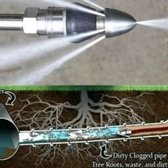
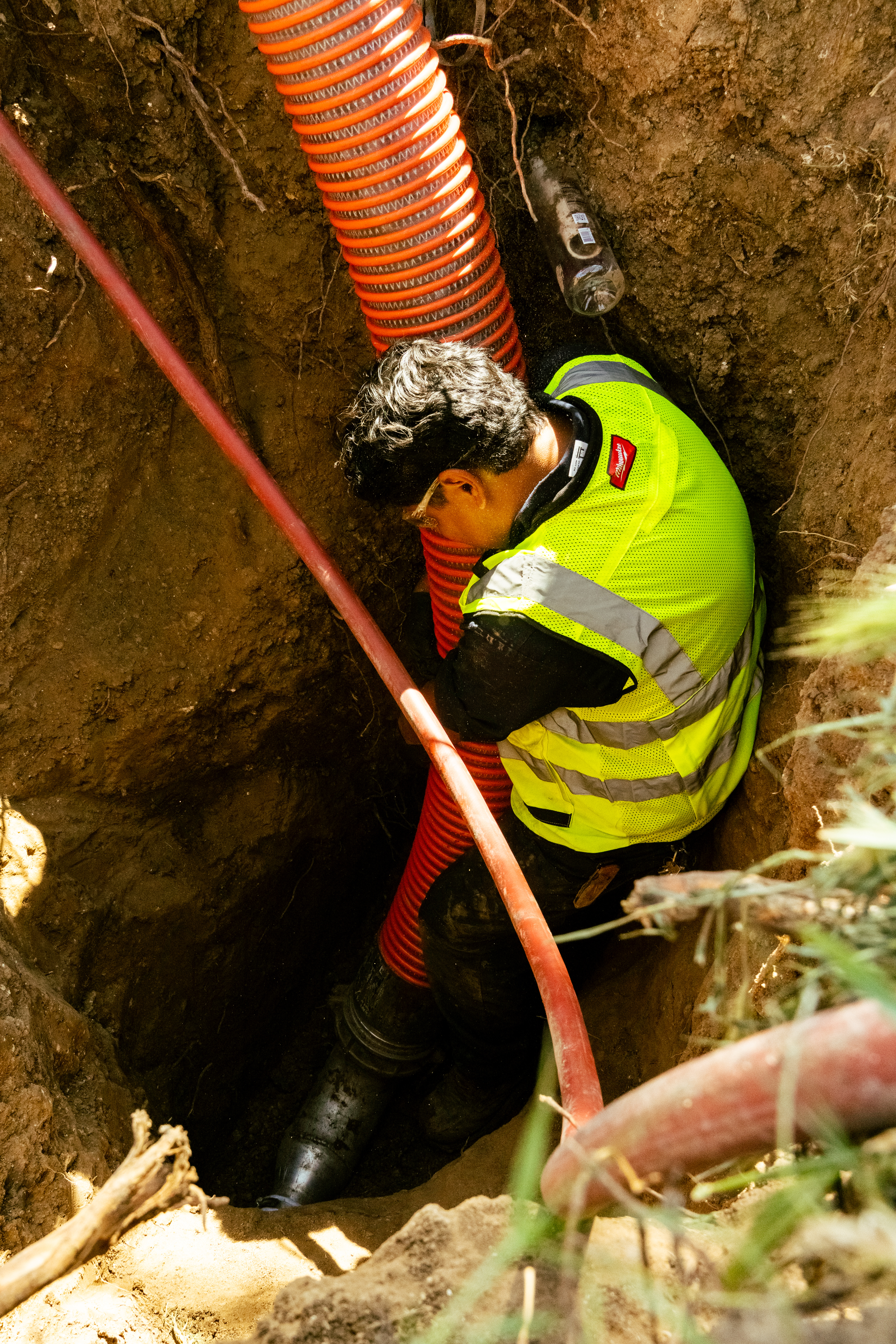
Another common issue is root intrusion. Tree roots can enter tiny gaps in sewer lines and continue growing inside the pipe, eventually creating a dense obstruction that catches waste. If that root mass is not fully removed, the line clogs again within weeks. That is why accurate diagnosis comes first. We verify where the restriction starts, how far it extends, and whether there is pipe damage that must be addressed during the same visit to prevent repeat failures.
Our process is built around results, not temporary relief. We begin with camera inspection when conditions indicate a deeper blockage. That allows us to see grease walls, root masses, or structural issues before choosing equipment. For moderate stoppages we may use targeted mechanical clearing, but for heavy buildup we typically recommend hydro jetting because it cleans the full interior wall rather than punching a narrow channel through the obstruction.
After cleaning, we verify flow and line condition. This step matters because many companies skip it, leaving customers unsure whether the line is truly clear. Verification helps us confirm that water is moving at normal speed and no major obstruction remains downstream. If we identify weak sections of pipe, we explain options in plain language so you can decide whether to repair now or monitor. The goal is stable, reliable drainage and fewer emergency calls.
If one fixture is slow once, that may not be urgent. If multiple fixtures are slow, if toilets bubble when sinks drain, or if water backs up in a tub while the washer runs, your main line may be restricted. Waiting increases the risk of overflow inside the home. Early service is usually smaller and less expensive than after-hours cleanup following a backup. The same applies to foul drain odors that do not go away after basic cleaning.
A proactive schedule is especially useful for older homes, large households, and properties with mature trees near sewer routes. Preventive drain service reduces surprise blockages and extends system life by removing buildup before it hardens. Many customers choose periodic maintenance because it protects flooring, cabinets, and drywall from water damage caused by sudden overflow events.
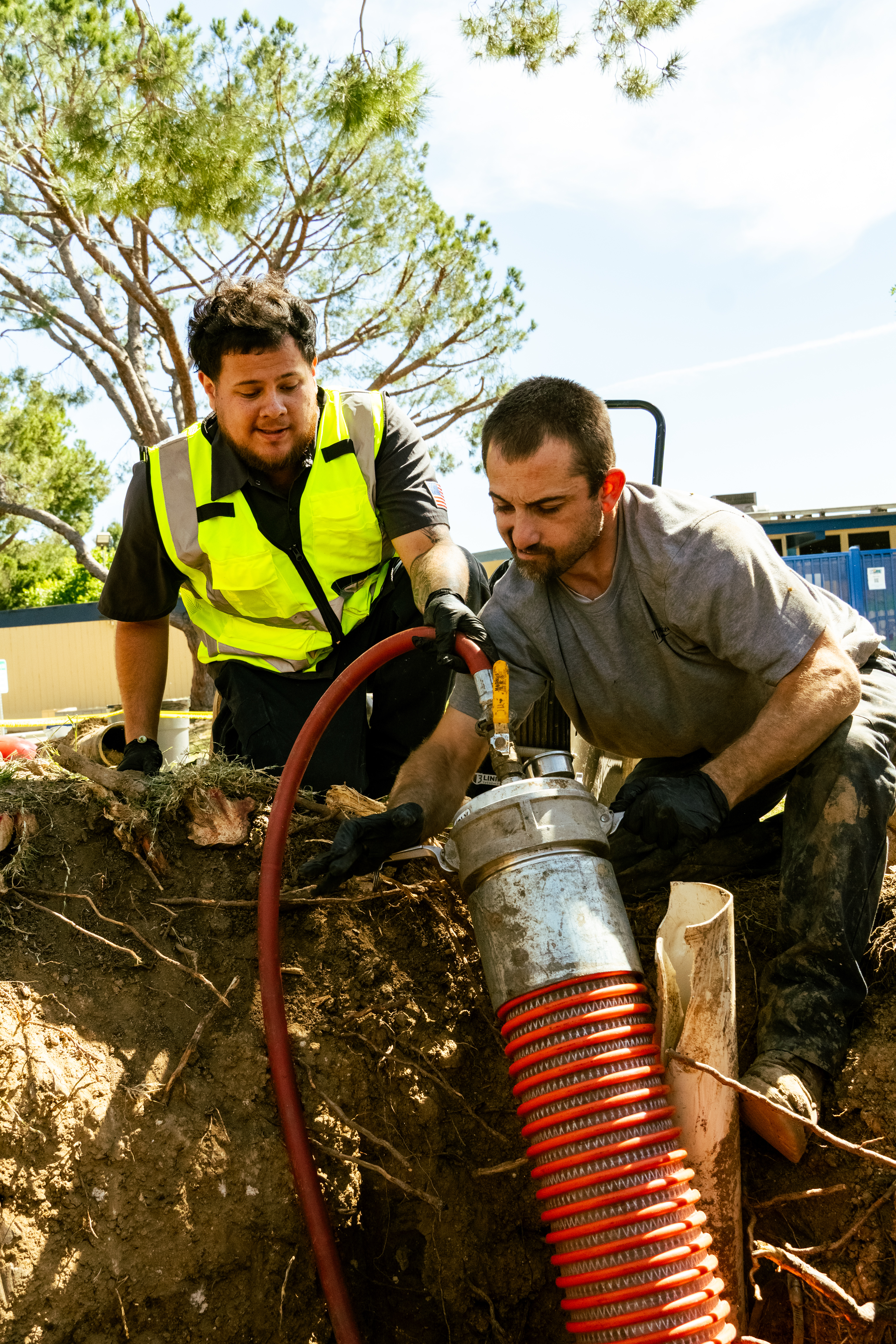
We provide practical communication from start to finish. You will know what caused the blockage, what was done to clear it, and what to watch next. If additional repair is recommended, we explain urgency and expected impact so you can prioritize work based on risk and budget. We do not rely on vague language or one-size-fits-all recommendations.
Every visit is focused on getting your plumbing back to dependable operation. That means restoring flow, reducing recurrence risk, and helping you avoid preventable emergencies. Whether you are dealing with a single stubborn branch line or a heavily impacted main line, our approach is the same: diagnose accurately, clean thoroughly, and verify performance before we close the job.
If your drains are backing up or draining slowly, call now for full-line cleaning and clear answers.
For most homes, annual drain cleaning is a strong baseline. Homes with heavy kitchen use, frequent backups, or older main lines may benefit from cleaning every six to nine months. Commercial kitchens and high-use properties usually need a tighter schedule. The best interval depends on usage, pipe condition, and whether root intrusion is present.
Hydro jetting is safe when pressure is calibrated correctly and the line is inspected first. If a line has severe structural damage, we may choose a different method or perform repair before jetting. The inspection step is what protects the system and ensures the cleaning approach fits the pipe condition.
Chemical cleaners may provide short-term relief, but they rarely remove full buildup and can damage certain pipe materials over time. They also do nothing for root intrusion or structural issues. Professional cleaning addresses the actual cause and helps prevent recurring clogs.
Multiple slow fixtures, toilet gurgling, backups in lower-level drains, and water rising in a tub during laundry cycles are common main line warning signs. If these symptoms happen together, schedule service quickly to avoid indoor overflow.
Yes. We respond to urgent drain and main line issues when active backup risk is high. Emergency service focuses on immediate containment and flow restoration, followed by clear next steps for any remaining repair needs.