Sewer line issues can escalate quickly from slow drains to indoor backups. We identify root cause with camera inspection and complete repair work focused on lasting flow restoration.
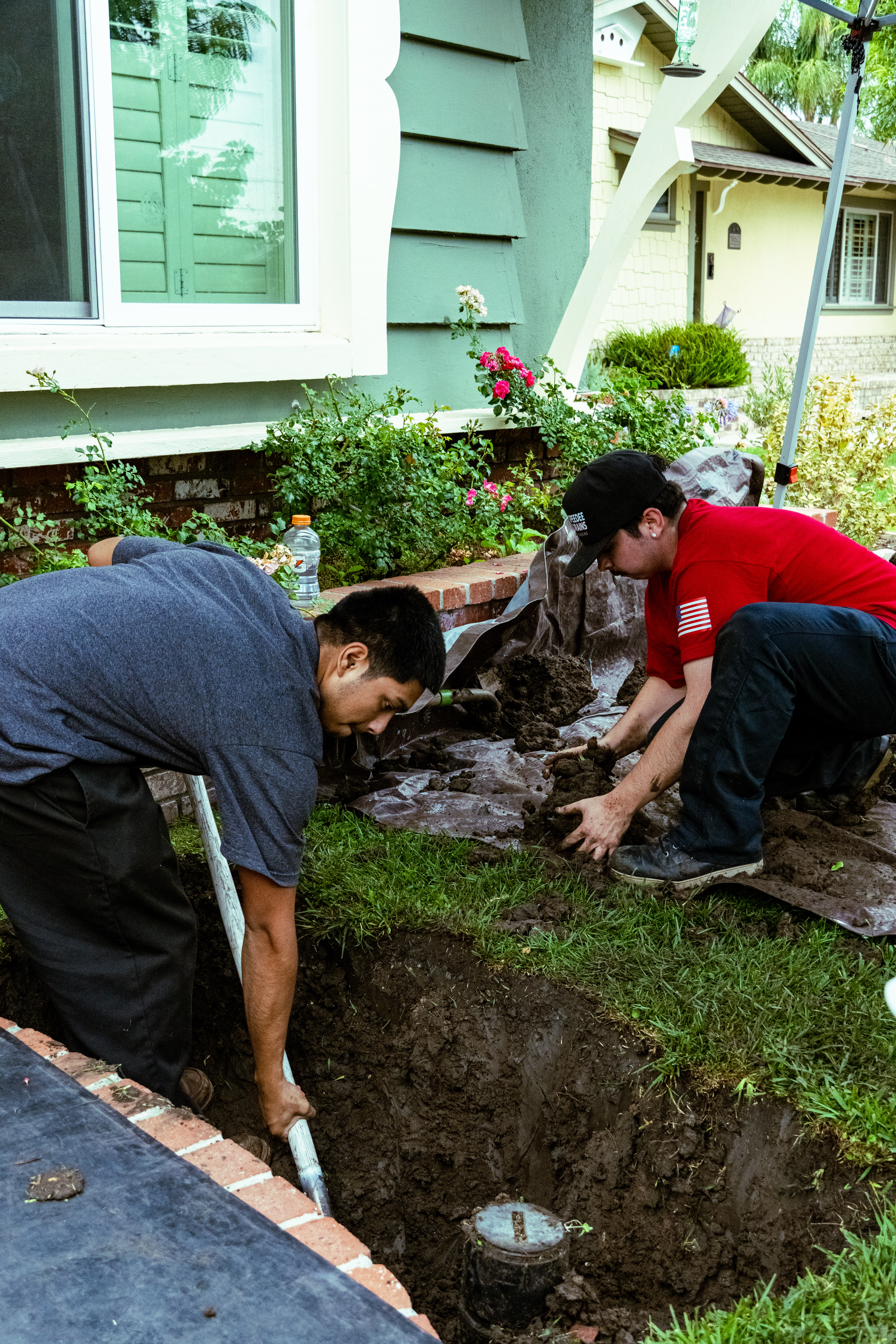
Sewer line trouble often starts with subtle signals: occasional gurgling, isolated slow drains, or intermittent odors near cleanouts. As restrictions increase, symptoms spread to multiple fixtures and backups become more likely. If lower-level drains are affected first, that is a common mainline warning sign.
Ignoring early symptoms usually leads to emergency conditions. Sewer overflow can damage flooring, drywall, and personal property while creating sanitation concerns. Early diagnostic service is the most effective way to reduce total cleanup cost and avoid unplanned disruption.
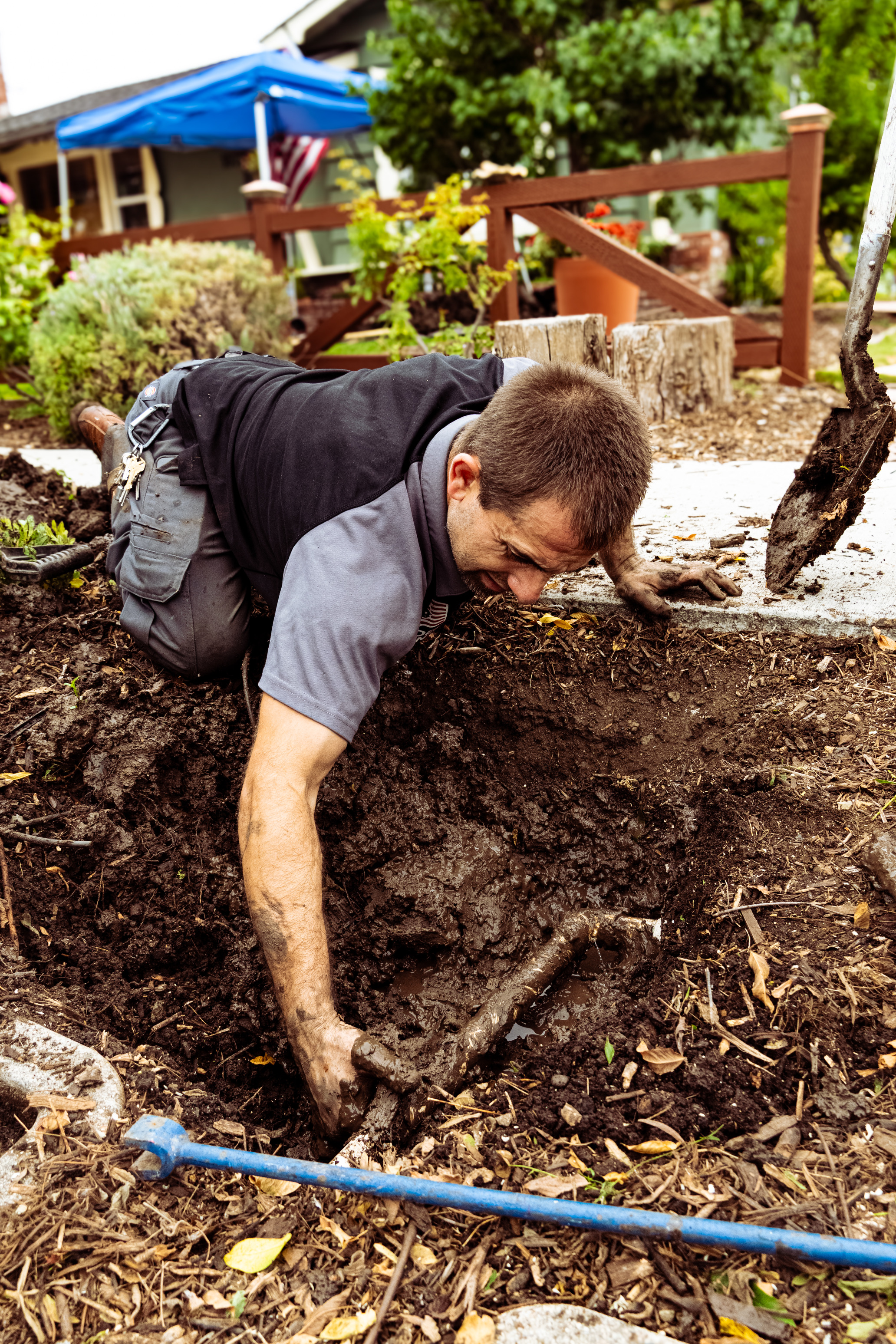
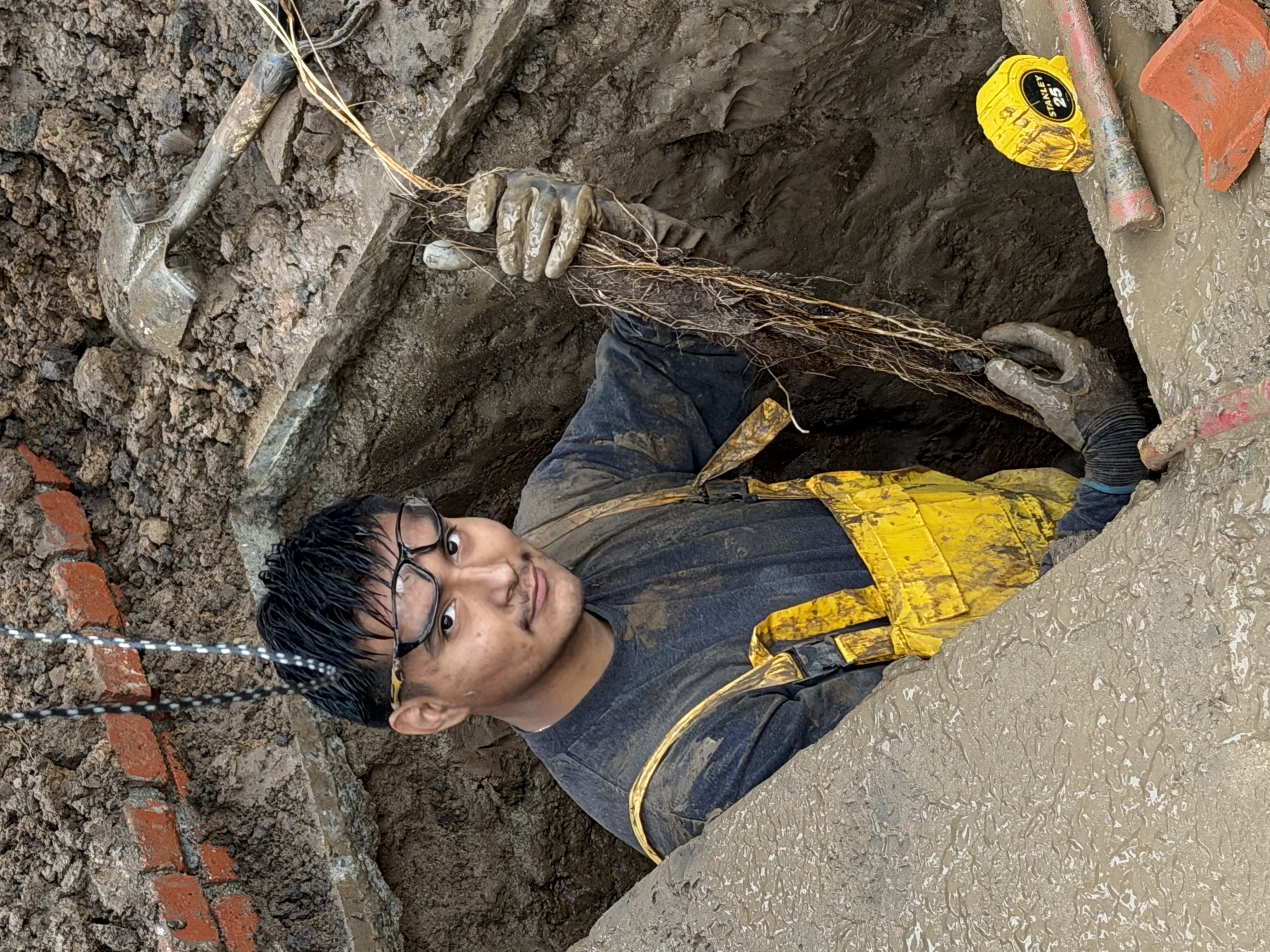
Tree roots are a major cause of sewer restrictions in older neighborhoods. Roots enter small joints or cracks, then expand and trap debris until flow is severely reduced. Even after partial clearing, the line can re-clog quickly if structural weak points remain.
Other failure patterns include corrosion, settlement-related offsets, and collapsed sections. Camera inspection provides direct evidence of which condition is present. That evidence guides the repair plan and prevents unnecessary excavation or ineffective short-term fixes.
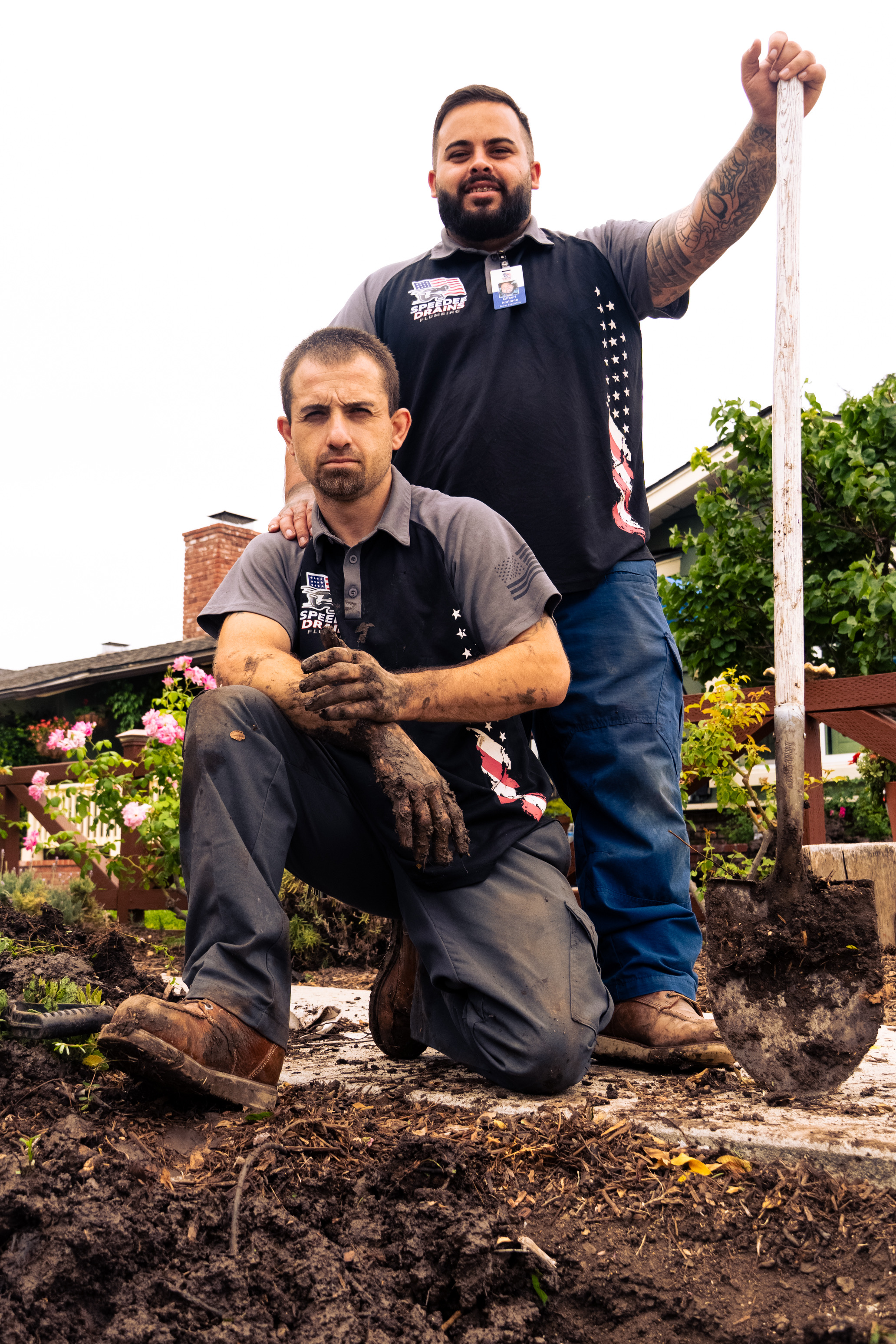
Our first objective is restoring safe flow and reducing immediate overflow risk. Next we define whether cleaning alone is enough or whether repair/replacement is required. In many cases a staged approach works best: immediate stabilization followed by scheduled corrective work under controlled conditions.
We communicate scope clearly so you understand what is urgent and what can be planned. This helps protect budget and avoids confusion during stressful sewer events. Reliable sewer repair is about solving root cause, not just clearing symptoms.
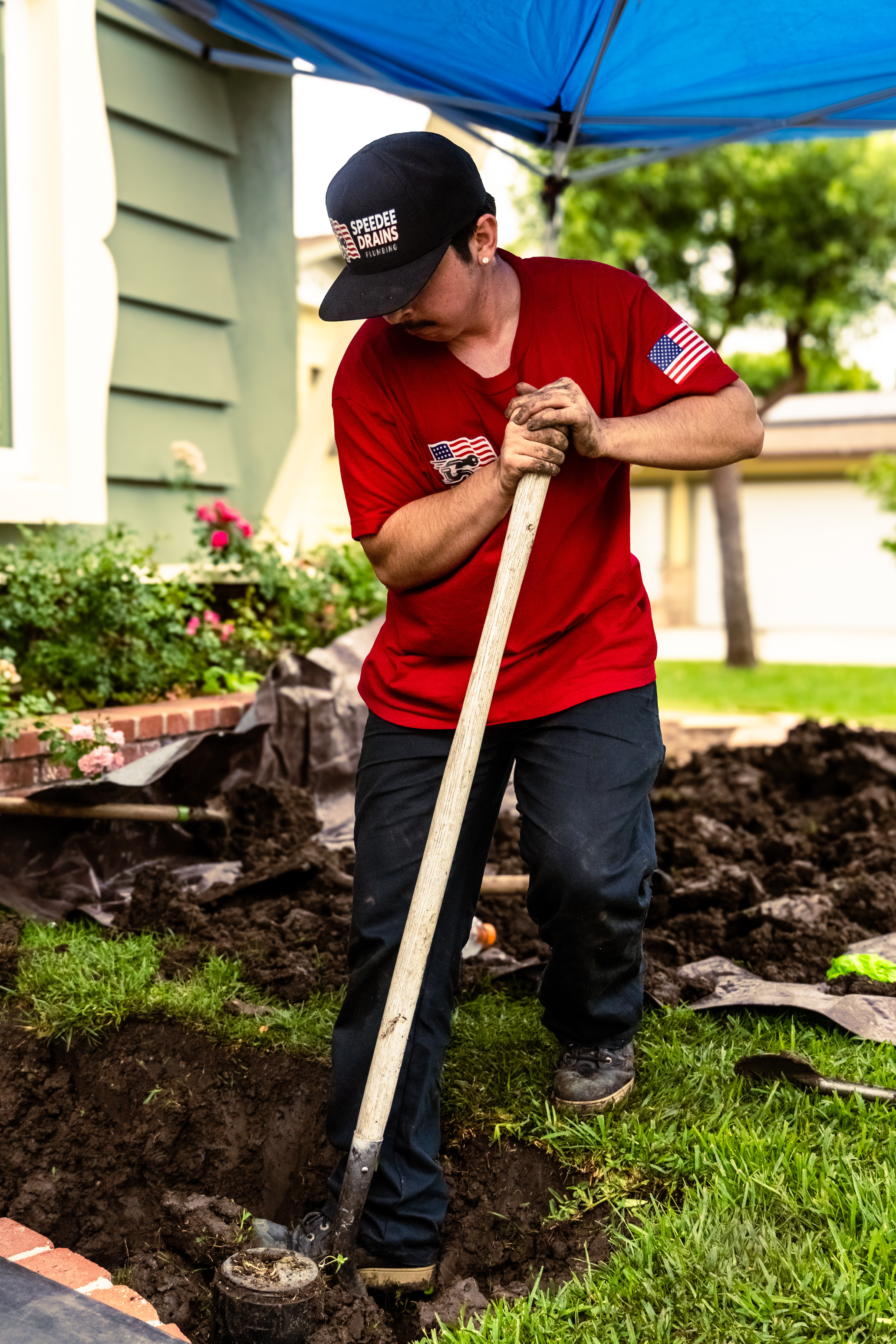
Preventive inspection and maintenance reduce repeat events, especially in properties with mature trees or known historical line issues. Cleaning intervals should be based on observed buildup rate and root activity, not arbitrary schedules.
We also recommend practical usage adjustments such as avoiding grease discharge and managing flushable waste correctly. Combined with periodic diagnostics, these steps significantly improve long-term sewer reliability and reduce emergency call frequency.
If you see sewer backup signs, call now for immediate diagnosis and flow restoration.
Early signs include repeated drain slowdowns in different fixtures, sewer odor, and occasional gurgling in toilets. As the blockage worsens, backups become more frequent and severe.
Yes, in many cases roots can be removed and flow restored. Replacement is considered when structural damage is extensive or recurrence risk remains high after cleaning.
Very urgent. Active sewage backup should be addressed immediately to limit contamination and property damage.
Post-service verification includes flow confirmation and, when needed, camera follow-up to ensure restrictions are removed and the line is functioning correctly.
Yes. Scheduled cleaning and inspection can identify early root return and buildup before they become emergency blockages.