Burst Pipe Plumber in California: Emergency Pipe and Water Leak Repair
A burst pipe can quickly cause extensive water damage. Learn how a plumber can isolate the damaged line, stop water loss, repair failed piping, and inspect the surrounding plumbing system.
Pipes do not burst at random. They burst because a specific material reached the end of a specific failure curve, usually with warning signs that were visible for months. A competent burst pipe plumber fixes the break and then tells you whether the rest of that run is about to do the same thing, because the second and third failures on the same line are what actually cost homeowners money.
SpeeDee Drains and Plumbing is a licensed California plumbing contractor, CSLB #1130435, providing 24/7 emergency pipe repair, section replacement, and whole-house repiping across Orange County and Los Angeles County.
Stop the Water First
Before anything else: close the main shutoff. It is typically in a box near the front curb, or where the supply enters an exterior wall. Turn clockwise. If the break is under a single fixture, the angle stop beneath that fixture may be enough and will keep water to the rest of the house.
Then cut power to any area with standing water, without stepping into the water to reach the panel. Then photograph everything before you begin cleanup, insurance adjusters want the damage at its worst, and the pictures cost nothing.
Why Pipes Burst in Southern California
We rarely deal with freeze failures here. Our burst pipes come from four other mechanisms.
Excessive water pressure
Municipal pressure varies by elevation and time of day, and portions of Orange County and Los Angeles County run high. Anything sustained above roughly 80 psi stresses every joint, valve, appliance hose, and fixture in the building continuously. A failed or missing pressure regulator is one of the most common root causes we find, and it is also one of the cheapest to fix. Checking static pressure takes about five minutes with a gauge on a hose bibb.
Corrosion in galvanized steel
Homes plumbed before the 1960s used galvanized steel supply lines. The zinc coating depletes, the steel underneath corrodes, and the interior fills with rust scale that restricts flow. Eventually the wall thins to a pinhole. If your pressure has declined over the years and the water occasionally runs rust-colored, the piping is announcing its condition. Galvanized failures cluster, the first pinhole is a preview.
Pinhole leaks in copper
Copper fails from pitting corrosion driven by water chemistry, high velocity in undersized lines, or improper installation. Thin-wall Type M copper used in some 1970s and 1980s tract construction is particularly prone. Like galvanized, copper pinholes repeat on the same run.
Mechanical and installation failures
Braided supply connectors under sinks, behind toilets, and at washing machines are the single most common source of indoor flooding in any building at any age. Beyond those: compression fittings that loosen, solder joints that were marginal from day one, CPVC that became brittle with UV exposure, and pipes damaged during unrelated remodeling or landscaping.
The Warning Signs You Get First
- Declining water pressure across the whole house over months or years.
- Rust-colored or discolored water, especially on first draw in the morning.
- Water bills climbing without a change in usage.
- Banging or hammering when a valve closes, indicating pressure issues or missing arrestors.
- Damp drywall, stained ceilings, or bubbling paint in one recurring spot.
- A previous pinhole leak on the same run. This is the strongest predictor of the next one.
- Visible green or white corrosion at exposed joints in a garage or crawl space.
How We Repair a Burst Pipe
Isolate. Close the smallest valve that stops the loss, so as much of the building stays in service as possible.
Locate precisely. Visible breaks are easy. Concealed ones inside walls, ceilings, or under a slab are found with acoustic and electronic leak detection rather than by opening drywall speculatively.
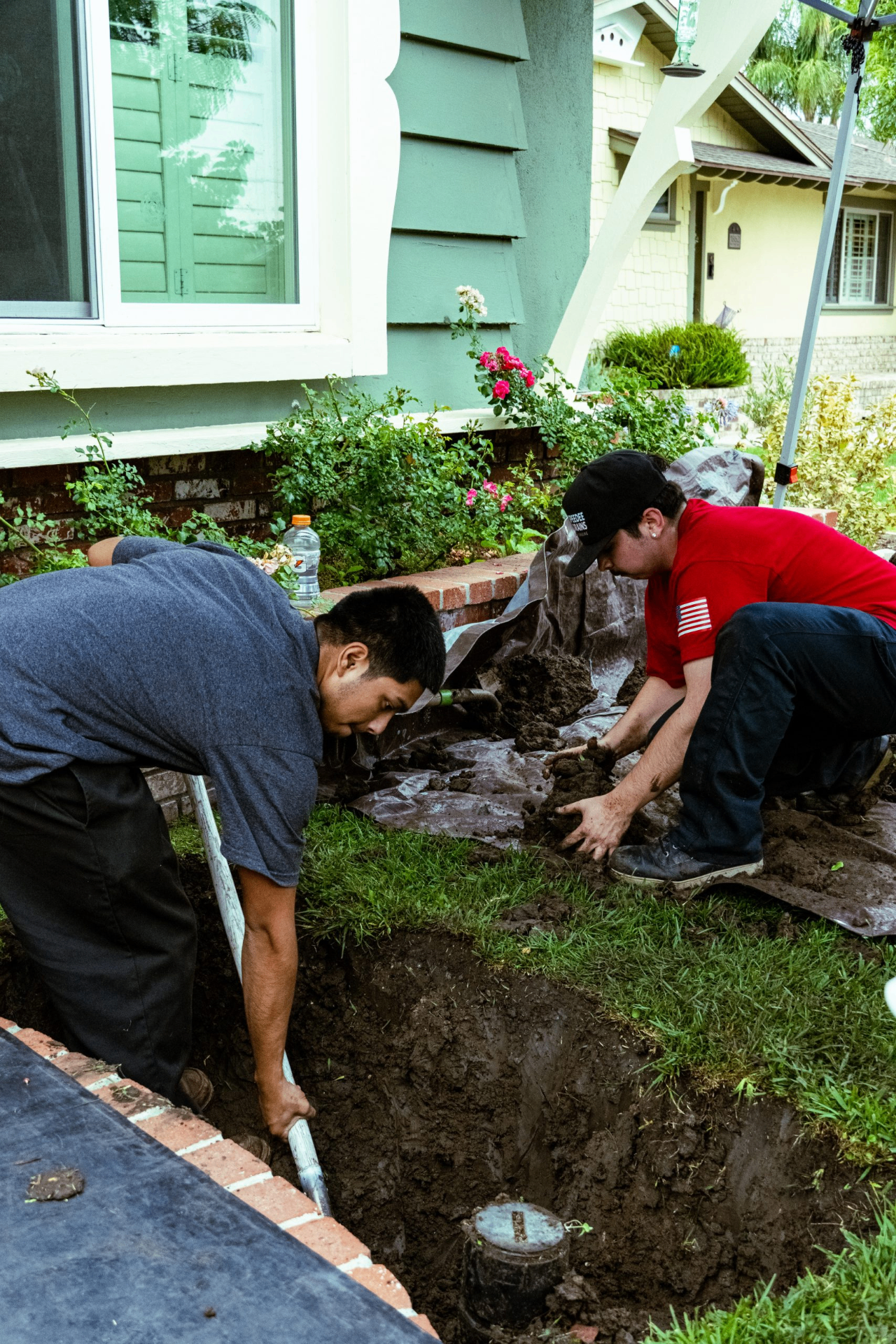
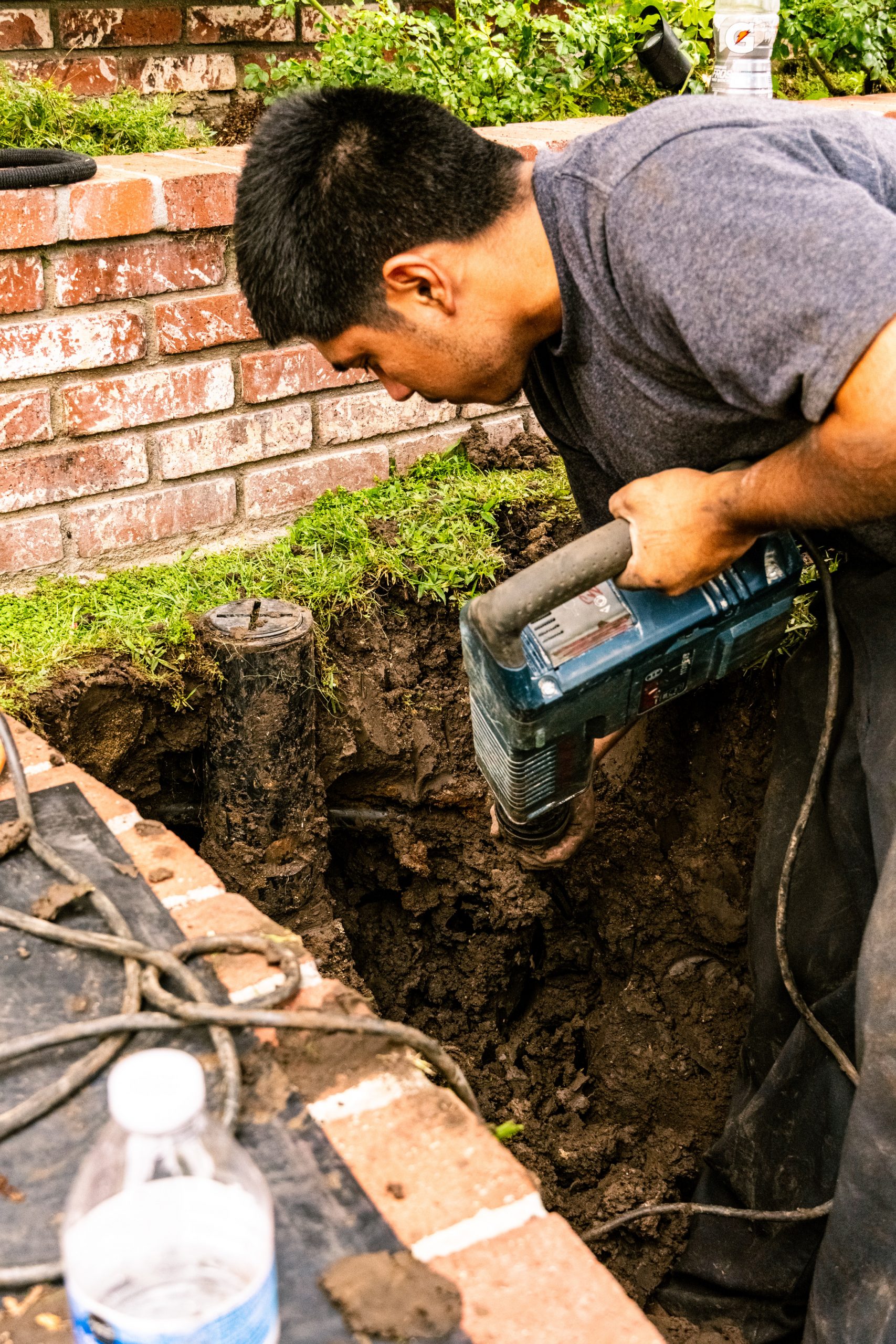
Expose the minimum. Access is cut to the smallest opening that permits a proper repair.
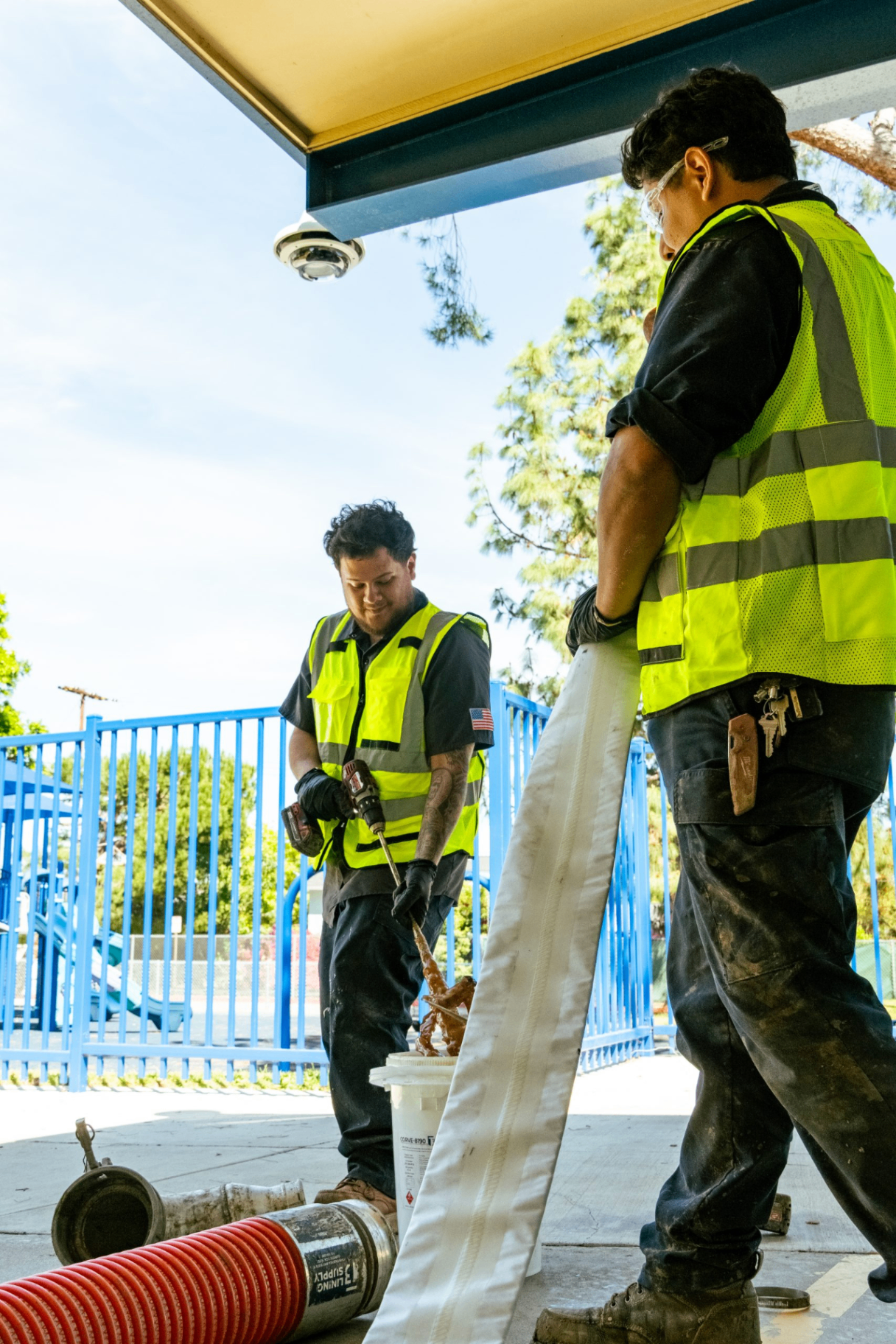
Repair or replace the section. The failed length is cut out and replaced in appropriate material, copper, PEX, or CPVC depending on the existing system, the location, and code. Joints are made properly and pressure-tested, not just visually checked.
Assess the rest of the run. This is the part that separates a repair from a solution. If the technician finds thinned galvanized, pitted copper, or evidence that this is the third failure in the same area, you get told, with numbers for both continued repair and a repipe. You decide.
Test, clean, warranty. The system is pressurized and verified, the workspace is cleaned, and the work carries a written workmanship warranty.
Section Repair vs. Whole-House Repipe
Repair the section when the failure was mechanical rather than material, a damaged pipe, a bad fitting, a burst connector, and the surrounding piping is in good condition.
Repipe when the material itself has reached end of life. Galvanized supply lines that have started producing pinholes will keep producing them, and paying for six emergency repairs over three years costs more than doing it once. The same logic applies to a thin-wall copper system on its third pinhole.
A repipe is disruptive but predictable: planned scope, permits and inspection where required, and no more 2 a.m. calls about the same house. Financing is available, and we will always give you both numbers rather than steering you toward the larger job.
Preventing the Next Burst
- Measure your static pressure and install or replace a pressure regulator if it exceeds roughly 80 psi.
- Replace braided supply connectors every 5 to 8 years, the cheapest insurance in plumbing.
- Confirm your main shutoff operates before you need it.
- Install leak sensors at the highest-risk points: under sinks, behind the washer, beside the water heater.
- Treat the first pinhole as data, not an isolated event, and get the run assessed.
- Insulate exposed exterior piping in the rare inland cold snap.
Emergency Pipe Repair Across Orange County and LA County
Fullerton, Anaheim, Brea, Buena Park, Cypress, Garden Grove, La Habra, La Mirada, Orange, Placentia, Santa Ana, Stanton, Westminster, Whittier, Yorba Linda, Los Angeles, Long Beach, Pasadena, Downey, Torrance, and Cerritos. 24/7 dispatch, free estimates, written flat-rate pricing.
More from SpeeDee Drains and Plumbing
- Pipe Repair & Replacement, section repairs and whole-house repiping
- Leak Detection, locate concealed and slab leaks without demolition
- Emergency Plumbing, 24/7 response for active water loss
- Plumber in Fullerton, our Orange County home base
- Contact SpeeDee Drains and Plumbing, free estimate on pipe repair or repipe
Additional Plumbing Resources
- EPA WaterSense, household leaks and the water they waste annually
- Contractors State License Board (CSLB), verify licensing before major pipe work
- California Building Standards Commission, California Plumbing Code materials and standards
- IAPMO, piping material standards and code development
- American Water Works Association, water pressure and distribution system fundamentals
Frequently Asked Questions
What do I do the moment a pipe bursts?
Close the main water shutoff, usually at a curb box in front of the property or where the supply enters an exterior wall, turning clockwise. Cut power to any area with standing water without stepping into it, then photograph everything before cleaning up.
Why do pipes burst in California if we do not have freezing weather?
The four common causes here are excessive water pressure from a failed or missing regulator, corrosion in aging galvanized steel, pitting in thin-wall copper, and mechanical failures of braided supply connectors and fittings.
How do I know if my whole system needs replacing?
The strongest indicator is repetition. A single failure from a damaged pipe or bad fitting is a section repair. A second or third pinhole on the same run, declining pressure throughout the house, and rust-colored water together indicate the material has reached end of life.
What water pressure is too high?
Sustained static pressure above roughly 80 psi stresses every joint, valve, connector, and appliance in the building. Checking it takes a few minutes with a gauge on a hose bibb, and a pressure regulator is an inexpensive fix relative to what high pressure eventually costs.
Will you have to cut open my walls?
Only as much as is necessary. Concealed leaks are located with acoustic and electronic detection equipment first, so access is cut to the smallest opening that permits a proper repair rather than exploring by removing drywall.
Is financing available for a whole-house repipe?
Yes. Financing is available for larger repairs including repiping, sewer line replacement, and slab leak reroutes. You receive written estimates for both the section repair and the repipe so you can compare them directly.
Recent SpeeDee Drains and Plumbing Work
Emergency plumbing guides
24/7 help, explained page by page
In-depth guides on emergency plumbers, burst pipes, gas leaks, blocked sinks and toilets, and drain cleaning across Orange County and Los Angeles County.
- emergency plumber near me
- emergency plumber
- 24 hour plumber near me
- emergency plumber la
- blocked sink plumber
- blocked toilet plumber
- plumber for gas leak
- emergency plumbing services
- plumbing services emergency
- 24 hour plumber
- 24 hr plumber
- burst pipe plumber
- plumber for burst pipes
- drain cleaner services near me
- drain clearing services near me
- 24 7 plumber
Common questions
FAQs about Burst Pipe Plumber in California: Emergency Pipe and Water Leak Repair
What do I do the moment a pipe bursts?
Close the main water shutoff, usually at a curb box in front of the property or where the supply enters an exterior wall, turning clockwise. Cut power to any area with standing water without stepping into it, then photograph everything before cleaning up.
Why do pipes burst in California if we do not have freezing weather?
The four common causes here are excessive water pressure from a failed or missing regulator, corrosion in aging galvanized steel, pitting in thin-wall copper, and mechanical failures of braided supply connectors and fittings.
How do I know if my whole system needs replacing?
The strongest indicator is repetition. A single failure from a damaged pipe or bad fitting is a section repair. A second or third pinhole on the same run, declining pressure throughout the house, and rust-colored water together indicate the material has reached end of life.
What water pressure is too high?
Sustained static pressure above roughly 80 psi stresses every joint, valve, connector, and appliance in the building. Checking it takes a few minutes with a gauge on a hose bibb, and a pressure regulator is an inexpensive fix relative to what high pressure eventually costs.
Will you have to cut open my walls?
Only as much as is necessary. Concealed leaks are located with acoustic and electronic detection equipment first, so access is cut to the smallest opening that permits a proper repair rather than exploring by removing drywall.
Is financing available for a whole-house repipe?
Yes. Financing is available for larger repairs including repiping, sewer line replacement, and slab leak reroutes. You receive written estimates for both the section repair and the repipe so you can compare them directly.