Plumber for Gas Leak Problems in California: Gas Line Inspection and Repair
Suspect a gas piping problem? Learn when a qualified professional is needed to inspect gas lines, identify damaged piping or connections, and perform appropriate repairs.
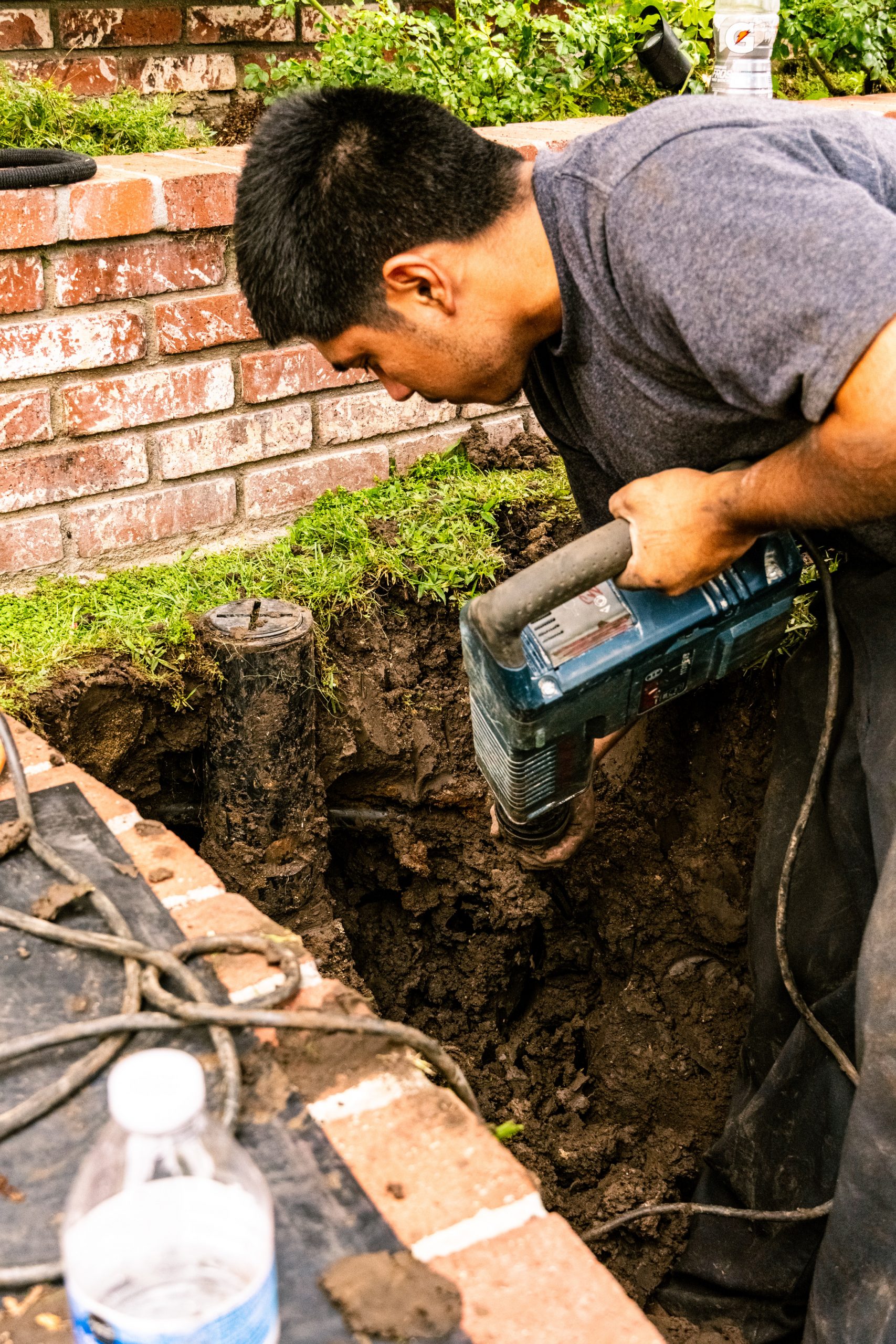
Once the property is safe, the repair falls to a licensed contractor. A plumber for gas leak work is not the same as a general handyman: gas piping in California is governed by the California Plumbing Code and the California Mechanical Code, requires pressure testing, and in most jurisdictions requires a permit and inspection. SpeeDee Drains and Plumbing is a licensed California plumbing contractor, CSLB #1130435, bonded and insured, serving Orange County and Los Angeles County.
Signs of a Gas Piping Problem
Natural gas is odorless on its own. Utilities add mercaptan, the sulfur compound responsible for the rotten-egg smell, precisely so that leaks announce themselves. But odor is not the only indicator.
Smell
Rotten eggs or sulfur, anywhere in or around the building. Strength does not reliably indicate size, a small persistent leak in an enclosed space can be more dangerous than a larger one outdoors.
Sound
Hissing or whistling near an appliance connection, a meter, or a wall where gas piping runs.
Appliance behavior
Pilot lights that will not stay lit. Burner flames that burn orange or yellow rather than crisp blue. Soot marks around a water heater, furnace, or range. A water heater that keeps shutting down.
Outdoors
Dead or discolored vegetation in a line over an otherwise healthy lawn. Bubbling in standing water or wet soil. Dirt or dust blowing up from the ground with no wind.
Physical symptoms
Headaches, dizziness, nausea, or fatigue that improve when you leave the building and return when you go back in. Treat this as an evacuation trigger even without an odor. Carbon monoxide, a separate hazard from combustion appliances, has no smell at all, working CO detectors on every level are essential.
Where Gas Leaks Come From
Threaded joints and fittings. Black iron pipe is joined with threaded connections sealed with pipe compound or approved tape. Over decades, thermal cycling, vibration, and settling can work a joint loose. This is the most common leak point in residential systems.
Appliance connectors. The flexible connector between the fixed piping and a range, dryer, or water heater has a service life. Older uncoated brass connectors from the 1970s and earlier were subject to a well-documented failure mode and should be replaced on sight. Moving an appliance to clean behind it flexes the connector and is a frequent trigger.
Corrosion. Buried or exterior piping corrodes, particularly where it transitions from underground to above grade at the riser. Coastal Southern California humidity accelerates this.
Earth movement. Seismic activity and soil settling stress buried lines and rigid connections. This is a real consideration across our service area, and it is why seismic gas shutoff valves are required in many California jurisdictions for new construction and certain remodels.
Damage during other work. Trenching, fence post installation, landscaping, and remodeling all hit gas lines. Call 811 before any digging.
Improper prior work. Unpermitted additions, DIY appliance hookups, and undersized piping added for a new appliance without recalculating the load on the system.
What a Licensed Gas Line Repair Involves
Isolation and inspection. The technician shuts off gas at the appropriate valve and inspects the accessible piping, connections, appliance connectors, and shutoffs.
Leak location. Combustible gas detection equipment and a soap solution applied at joints identify the failure point precisely. Guessing is not part of the process.
Pressure testing. The system is pressurized with air and monitored on a gauge. A test that holds proves the system is sound; a test that drops proves it is not, and by how much. This is the objective standard, and it is what an inspector will require.
Repair or replacement. Depending on findings, that means replacing a failed section, remaking a joint, swapping an appliance connector, or repiping a run that has reached the end of its life. Materials and sizing follow code requirements for the appliance load on that line.
Permits and inspection. Where the jurisdiction requires it, we pull the permit and coordinate the inspection. Unpermitted gas work is a liability at resale and a genuine safety issue.
Retest and relight. The system is retested, appliances are relit and checked for proper flame, and you receive documentation plus a written workmanship warranty.
Other Gas Line Work We Perform
- New gas line installation for ranges, dryers, water heaters, outdoor kitchens, fire pits, pool heaters, and generators, sized correctly for the total system load.
- Appliance connector replacement, particularly older uncoated brass connectors that should be retired.
- Seismic shutoff valve installation where required by local ordinance or requested by an owner.
- Gas line relocation during kitchen and laundry remodels.
- Pre-purchase gas system inspection and pressure testing for buyers of older homes.
- Commercial gas piping for restaurant kitchens and rooftop equipment.
Why This Is Not DIY Work
Drain work that goes wrong makes a mess. Gas work that goes wrong causes explosions and asphyxiation. Beyond the obvious, unpermitted gas work commonly fails at resale inspection, is frequently excluded from homeowner's insurance coverage, and creates liability for a landlord or property owner. California licensing exists specifically because the consequences are not recoverable.
Serving Orange County and Los Angeles County
SpeeDee Drains and Plumbing provides gas line inspection, repair, and installation across Fullerton, Anaheim, Brea, Buena Park, Cypress, Garden Grove, La Habra, La Mirada, Orange, Placentia, Santa Ana, Stanton, Westminster, Whittier, Yorba Linda, Los Angeles, Long Beach, Pasadena, Downey, Torrance, and Cerritos. Free estimates, written flat-rate pricing, and 24/7 emergency dispatch once your property has been cleared by the utility.
More from SpeeDee Drains and Plumbing
- Emergency Plumbing, 24/7 response for urgent situations
- Pipe Repair & Replacement, gas and water piping repair
- Water Heater Repair, gas-fired water heater service and replacement
- About SpeeDee Drains and Plumbing, licensing, insurance, and how we work
- Contact SpeeDee Drains and Plumbing, schedule an inspection or estimate
Additional Plumbing Resources
- SoCalGas, utility guidance if you suspect a natural gas leak
- Contractors State License Board (CSLB), confirm a contractor is licensed for gas work
- California Building Standards Commission, California Plumbing and Mechanical Codes
- Consumer Product Safety Commission, appliance connector and carbon monoxide safety
- NFPA, national fuel gas and fire safety standards
Frequently Asked Questions
What do I do first if I smell gas?
Leave the building immediately without touching light switches, appliances, or anything that could spark, and take everyone with you. Call 911 and your gas utility from a safe distance outside. Do not return until officials confirm it is safe. Repair work by a plumber comes after that.
Does the gas utility fix the leak, or does a plumber?
The utility is responsible for its own service line up to and including the meter, and will shut off service to make the property safe. Piping downstream of the meter inside the property is the owner's responsibility and is repaired by a licensed contractor.
Do gas line repairs require a permit in California?
In most jurisdictions, yes. Gas piping work falls under the California Plumbing and Mechanical Codes and typically requires a permit and inspection. We pull permits and coordinate inspections as part of the job.
How is a gas leak actually located?
With combustible gas detection equipment and a soap solution applied at joints and connections, followed by a pressure test in which the system is pressurized with air and monitored on a gauge. A holding test proves the system is sound; a dropping gauge proves it is not.
My burner flame is orange instead of blue. Is that a leak?
Not necessarily a leak, but it does indicate incomplete combustion and warrants inspection. Orange or yellow flames, soot marks around appliances, and pilots that will not stay lit all point to a gas supply or appliance problem that should be evaluated by a professional.
Can you install a gas line for a new range, dryer, or pool heater?
Yes. We install and extend gas piping for ranges, dryers, water heaters, outdoor kitchens, fire pits, pool heaters, and generators, sized to the total load on the system and permitted where the jurisdiction requires it.
Recent SpeeDee Drains and Plumbing Work
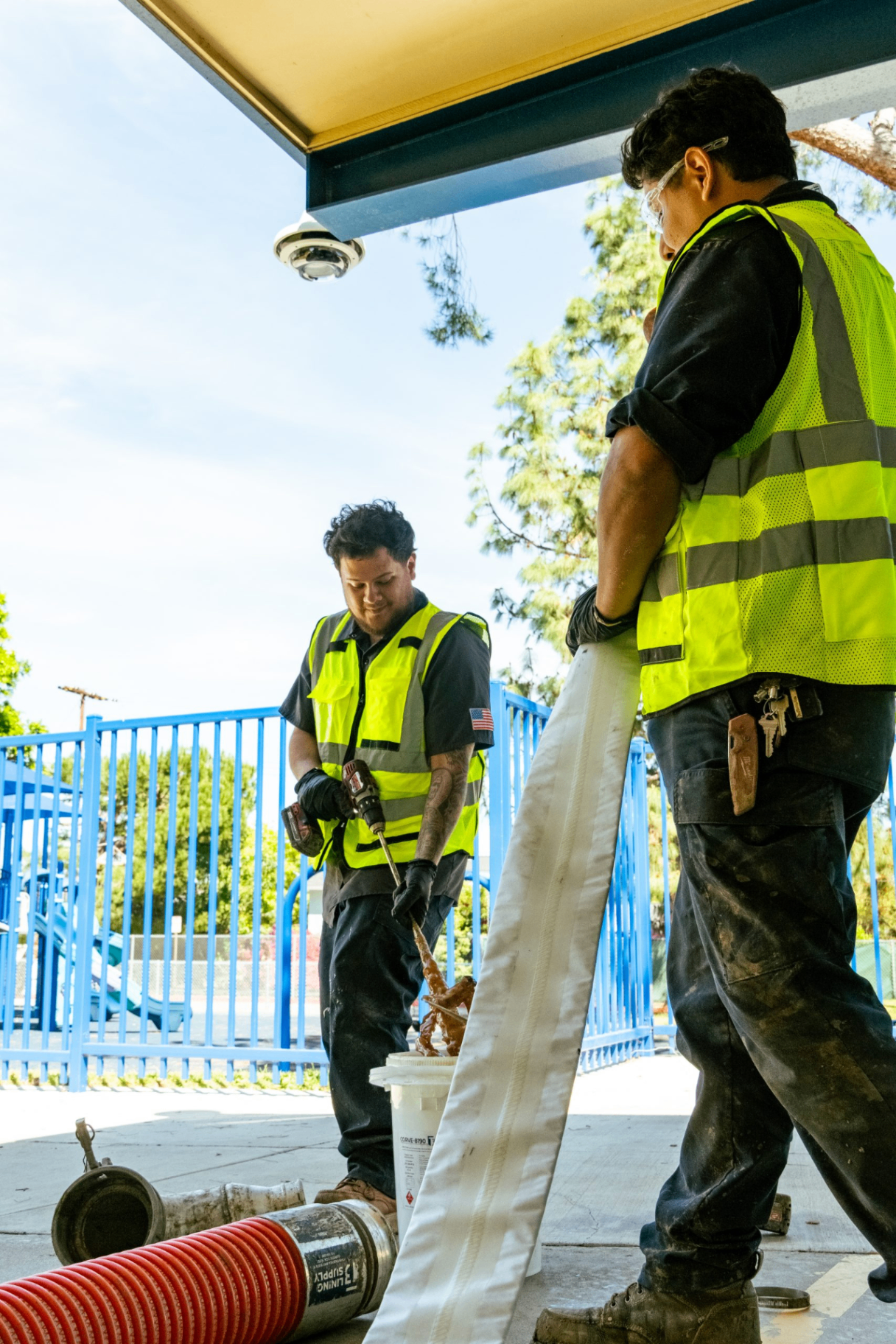
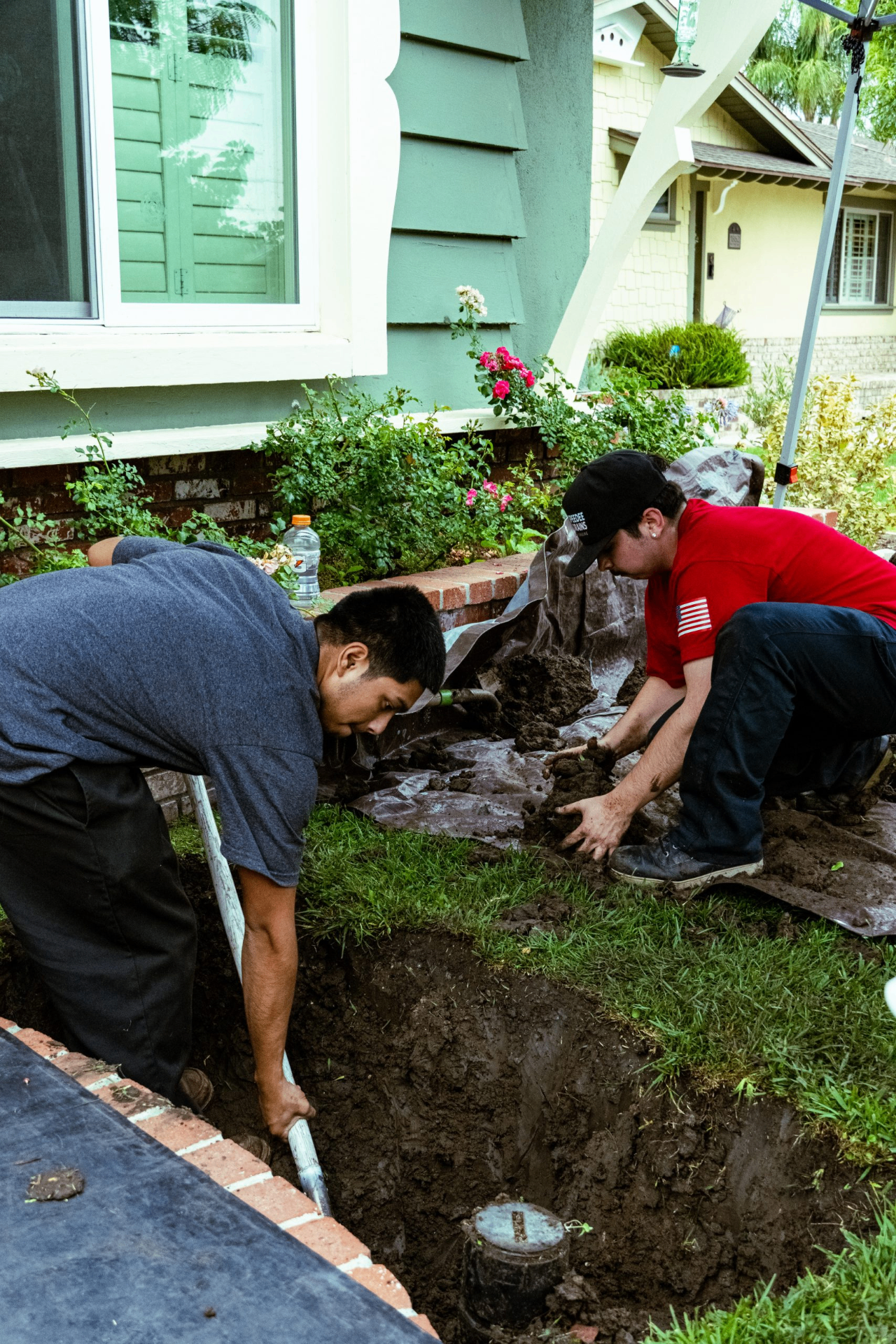
Emergency plumbing guides
24/7 help, explained page by page
In-depth guides on emergency plumbers, burst pipes, gas leaks, blocked sinks and toilets, and drain cleaning across Orange County and Los Angeles County.
- emergency plumber near me
- emergency plumber
- 24 hour plumber near me
- emergency plumber la
- blocked sink plumber
- blocked toilet plumber
- plumber for gas leak
- emergency plumbing services
- plumbing services emergency
- 24 hour plumber
- 24 hr plumber
- burst pipe plumber
- plumber for burst pipes
- drain cleaner services near me
- drain clearing services near me
- 24 7 plumber
Common questions
FAQs about Plumber for Gas Leak Problems in California: Gas Line Inspection and Repair
What do I do first if I smell gas?
Leave the building immediately without touching light switches, appliances, or anything that could spark, and take everyone with you. Call 911 and your gas utility from a safe distance outside. Do not return until officials confirm it is safe. Repair work by a plumber comes after that.
Does the gas utility fix the leak, or does a plumber?
The utility is responsible for its own service line up to and including the meter, and will shut off service to make the property safe. Piping downstream of the meter inside the property is the owner's responsibility and is repaired by a licensed contractor.
Do gas line repairs require a permit in California?
In most jurisdictions, yes. Gas piping work falls under the California Plumbing and Mechanical Codes and typically requires a permit and inspection. We pull permits and coordinate inspections as part of the job.
How is a gas leak actually located?
With combustible gas detection equipment and a soap solution applied at joints and connections, followed by a pressure test in which the system is pressurized with air and monitored on a gauge. A holding test proves the system is sound; a dropping gauge proves it is not.
My burner flame is orange instead of blue. Is that a leak?
Not necessarily a leak, but it does indicate incomplete combustion and warrants inspection. Orange or yellow flames, soot marks around appliances, and pilots that will not stay lit all point to a gas supply or appliance problem that should be evaluated by a professional.
Can you install a gas line for a new range, dryer, or pool heater?
Yes. We install and extend gas piping for ranges, dryers, water heaters, outdoor kitchens, fire pits, pool heaters, and generators, sized to the total load on the system and permitted where the jurisdiction requires it.